· clothink
From Idea to Factory-Ready: Design and Tech Pack Help for Startup Clothing Brands
- Startup brands
- AI Fashion Design
- Tech packs
Most clothing brands do not start with a perfect design file.
They start with a rough idea. A screenshot saved from Instagram. A hoodie you like the fit of. A sketch on paper. A few notes in your phone. A sentence like: "I want to create premium heavyweight streetwear, but cleaner."
That is a completely normal place to begin.
The problem comes when a startup brand tries to take that early idea straight to a manufacturer. Factories do not work from vibes. They work from details — shape, fit, fabric, construction, measurements, trims, branding, colours and finish. If those details are not clear, the sample becomes guesswork.
That is where design development and tech packs matter. Not because they make your brand look more professional, although they do. But because they turn your idea into something a factory can actually make.
Clothink covers the full journey from early concept to factory-ready brief — in one workspace, without needing to hire a design agency.
The gap between an idea and a product
A lot of founders underestimate the space between having an idea and being ready to sample. You might know exactly what you want the garment to feel like. You might have a clear picture in your head. But unless that picture is translated into technical information, the manufacturer has to fill in the blanks.
That is where things start to go wrong.
The hoodie comes back too short. The trousers are the wrong shape. The logo placement feels off. The fabric is lighter than expected. The fit does not match the reference. The sample is not terrible, but it is not right either. And because the original brief was not clear enough, it becomes difficult to know whether the problem was the factory, the instructions or the design itself.
For startup brands, this cycle gets expensive quickly. A proper design and development process closes that gap before you spend money on sampling — giving the idea structure, forcing decisions to be made earlier and giving the factory a clearer starting point.
From blank page to developed concept — without a design agency
This is the part that normally requires a design team: developing what the product should actually look like before it can be turned into a technical file. With Clothink, you can get surprisingly far on your own.
Generate concept directions from a brief
Describe the brand and customer in the idea generator and you get concept directions back — garment types, styling cues, colour routes, material suggestions. It gives you something concrete to react to rather than starting from a blank page. That reaction is often where the real product direction comes from.
Build a colour palette and generate artwork
Once the direction is clearer, Clothink lets you generate colour palettes that fit the brand — not just generic combinations, but palettes rooted in the aesthetic you are building. You can also generate artwork and graphics for print applications, labels, embroidery or placement prints. Keeping those assets in the same workspace as your garment designs means the collection stays visually consistent from the start.
Colour palette demo
Palette Generator
Build a season colour palette
Describe the collection mood — clothink returns named swatches with hex codes.
Turn a reference photo into a technical flat
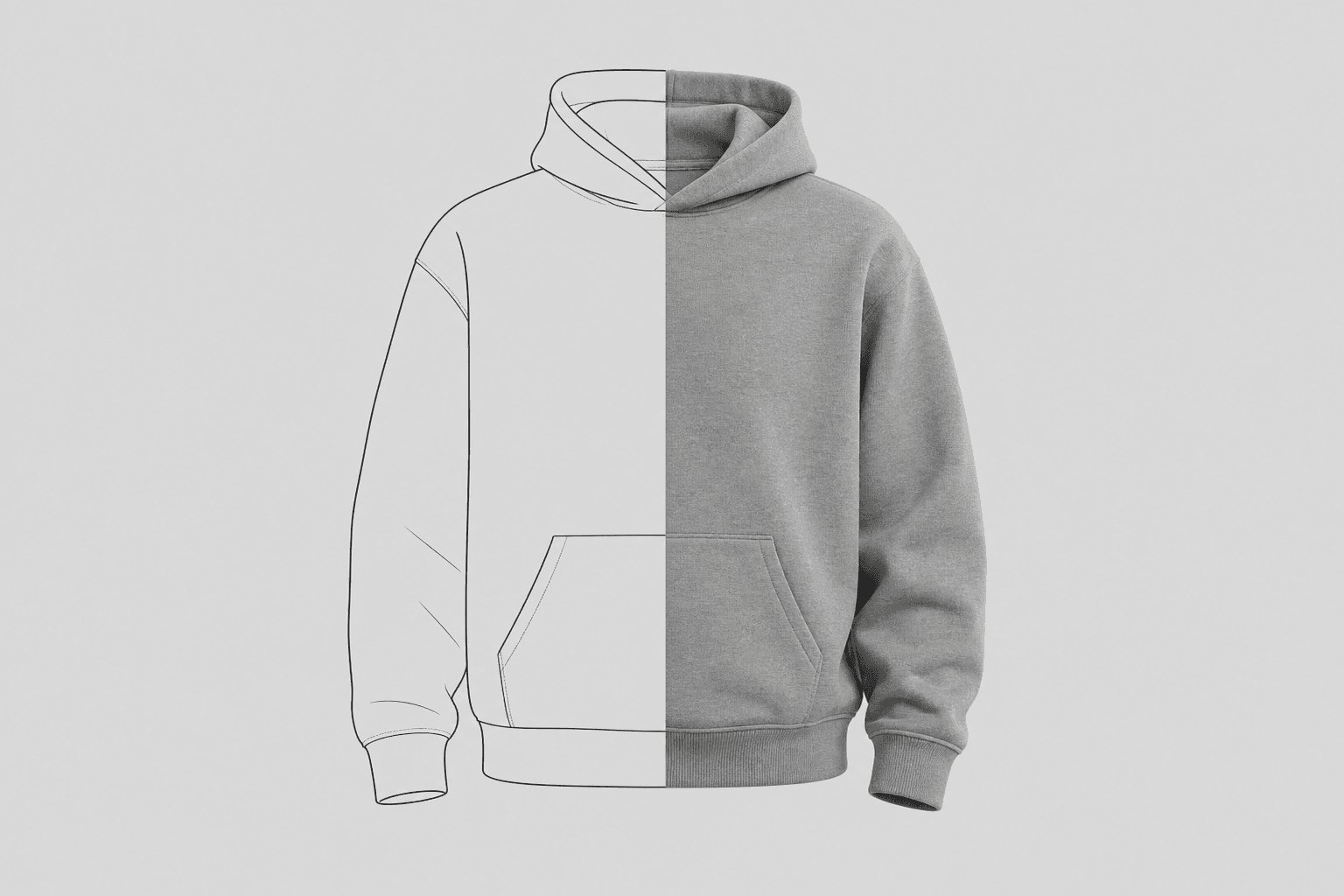
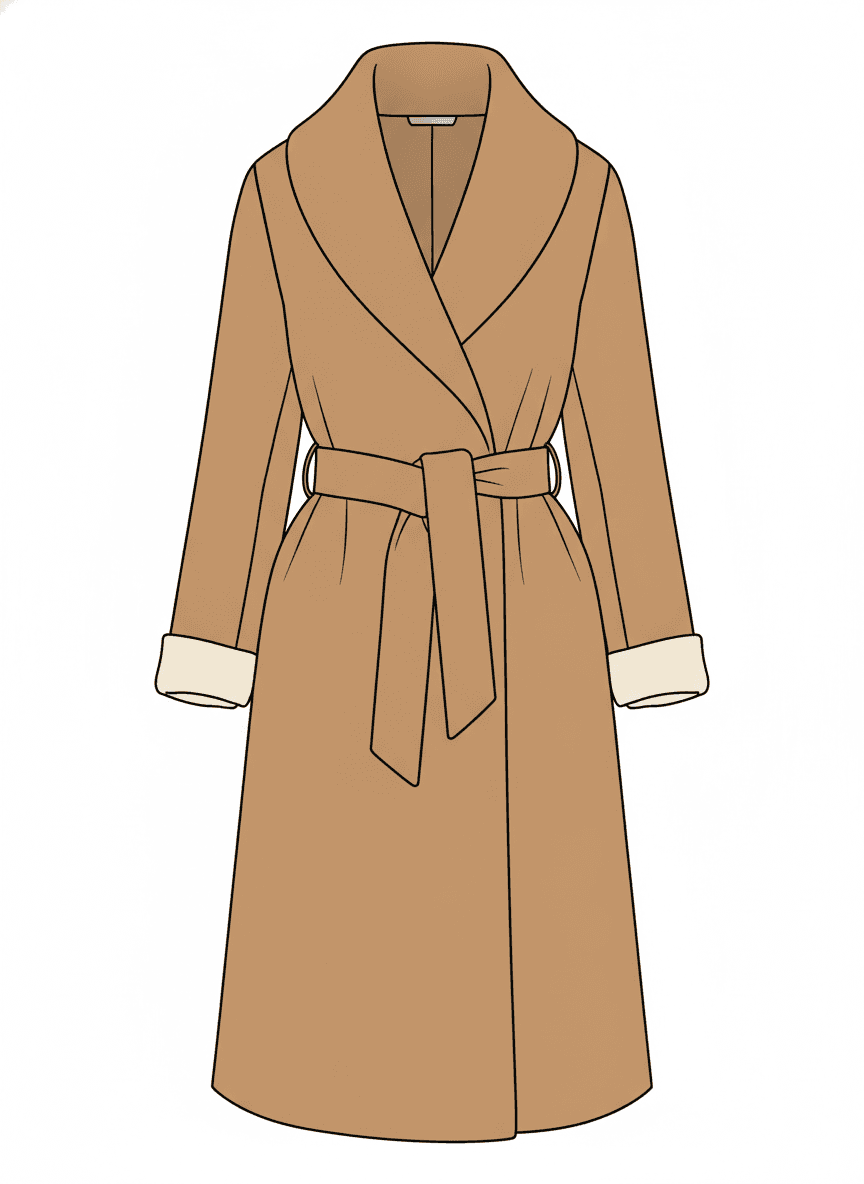
Found a jacket, trouser or outerwear piece with the right structure? Upload an image and Clothink generates a clean technical flat from the photo. You get the construction lines, panel structure and proportions — editable, exportable, ready to develop further. It is one of the fastest ways to get from 'I like this' to something a factory can work from.
Generate original designs from reference images
Not looking for something identical to a reference — just want to stay in that direction? Upload inspiration images and Clothink generates original designs that share the aesthetic without copying. Provide a few references and a prompt describing what makes them relevant, and you get unique garment directions to explore and refine from there.
From flat to photoreal mockup — before you sample anything
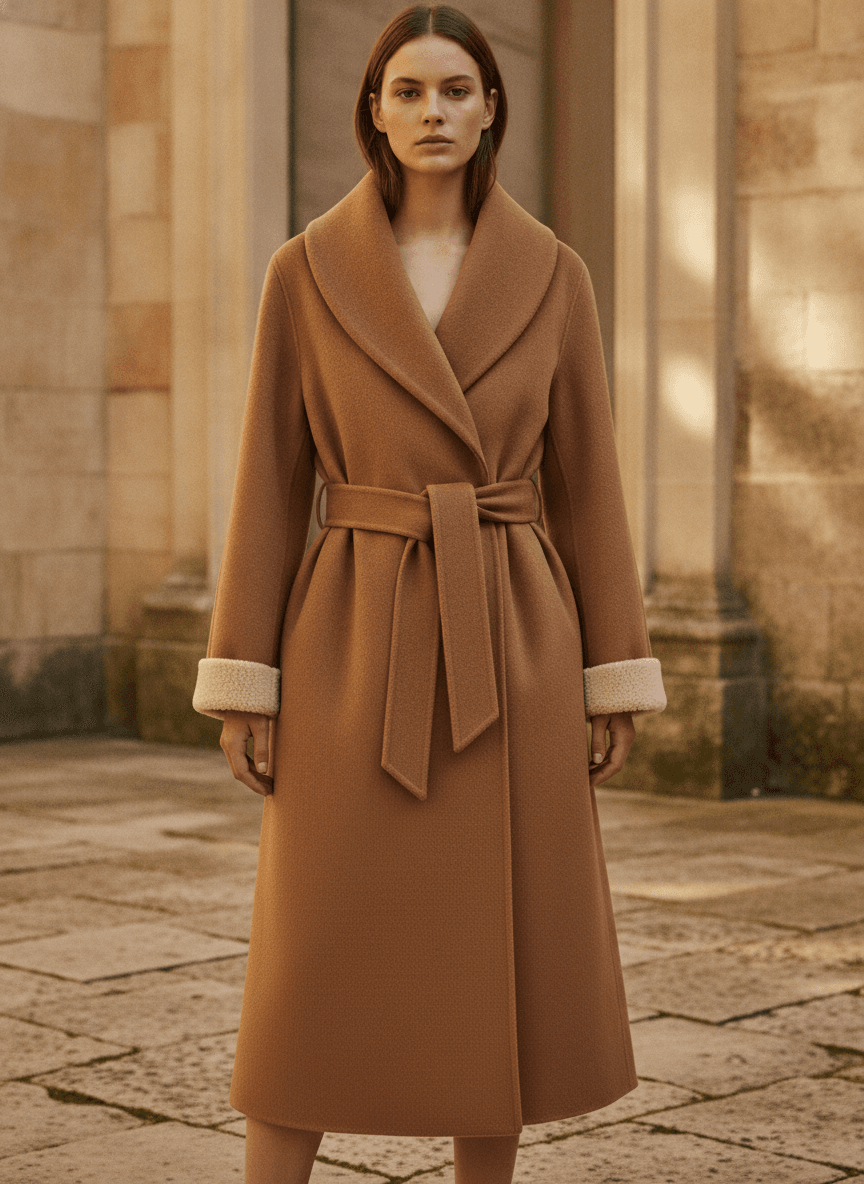
Once you have a flat, you can generate a photoreal mockup before spending anything on samples. Front, side and back views. The CAD carries the construction intent; the mockup carries the visual intent — how the garment reads on a body, how the proportions land, how the colour blocking actually looks.
A lot of startup brands skip this step and discover on the sample that the proportions read differently than expected, or that details which looked right on paper feel off in practice. Seeing the garment as a photoreal image catches those problems early — and gives you something to show buyers, co-founders or suppliers without waiting for a physical sample to exist.
CAD to mockup demo
CAD flat
Awaiting render
Photoreal mockup
This also matters when briefing factories across time zones. Instead of a back-and-forth trying to explain what "relaxed but structured" means in writing, you send the flat and the mockup together. The construction is in the spec; the visual direction is in the image. The supplier has both.
Why a tech pack is not just a document
A tech pack is often described as a document that tells a factory how to make a garment. That is true, but it makes tech packs sound more administrative than they are.
For a startup brand, a tech pack is a decision-making tool.
It forces you to answer the questions every product has to face before it can be made properly:
- What is the fit meant to be?
- Where exactly does the branding go?
- What fabric weight makes sense for the end use?
- How should the garment be constructed at the key seams?
- What changes between sizes?
- Which details matter most to the final product?
Without answers to those questions, the factory has to make assumptions. Sometimes those assumptions are fine. Often, they are not. A good tech pack reduces the number of assumptions. It gives the supplier a clearer starting point and gives the brand more control over the outcome.
It also becomes a reference document for reviewing samples. When something comes back wrong, the tech pack helps identify what needs changing. The fit can be adjusted in the measurements. The branding position can be revised in the placement diagram. The tech pack turns a subjective complaint into a specific instruction.
Clothink's tech pack builder auto-completes construction details, materials and finish notes as you type. The sequence below runs live in the workspace — proposals appear as they would while you draft a garment spec. Everything stays on one style record: flat, mockup and technical brief together, for your team and your suppliers.
Auto-Complete Agent
Building your tech pack with AI
Visual analysis
Materials & colours
Size chart
Measurement guide
Bill of materials
Construction notes
Design development comes before the tech pack
One mistake many startup brands make is treating the tech pack as a starting point — something to fill in before the design is properly worked through. In reality, the design and the tech pack are connected. If the product idea is still vague, the tech pack will be vague too.
"Oversized hoodie" can mean a lot of different things. Is it dropped shoulder or just a relaxed fit? Is the body boxy or longline? Is the hood structured or soft? Is the rib deep or standard? Is the branding embroidered, printed or appliquéd? Every one of those choices affects how the product looks, feels, costs and performs in production.
Working through those decisions using Clothink's design tools — before the factory brief is written — means fewer surprises when the sample arrives and fewer revision rounds to get it right.
Your first collection: focused beats full
If you are launching a clothing brand, it is tempting to start with a full range. T-shirts, hoodies, joggers, jackets, caps, bags, maybe activewear too. But more products means more decisions, more samples, more costs and more things that can go wrong before you have found your footing.
For most startup brands, a focused first collection is stronger. Start with the products that best express the brand. Build them properly. Make sure the fit, fabric, details and branding are considered. Then expand once the foundation is working.
A first collection does not need to be big. It needs to be coherent. A small range of well-developed products will almost always look more professional than a large range of underdeveloped ones.
Clothink makes that coherence easier to maintain. When the concepts, colour palettes, mockups and tech packs for the whole range live in the same workspace, you can see the collection as a whole — whether the products feel connected, whether the fit logic is consistent, whether the design direction is clear across every piece. That visibility is much harder to achieve across a mix of folders, email threads and shared drives.
Concept to production-ready — in one workspace
Getting from a rough idea to a factory-ready brief used to mean hiring a freelance designer, a separate tech pack service and a lot of time repeating the same brief in different formats. Clothink brings the whole process together — so startup brands can move faster, stay clearer and get to sampling without the overhead.
In one workspace, you can:
- Generate concept directions and garment ideas from a brand brief
- Create colour palettes matched to the brand aesthetic
- Generate artwork and graphics for print, embroidery and label applications
- Turn a reference photo into an editable technical flat
- Generate original designs in the direction of your inspiration images
- Browse and adapt a CAD library across outerwear, knitwear, bottoms, dresses and basics
- Generate photoreal mockups from flats — front, side and back
- Build factory-ready tech packs with auto-complete and built-in templates
- Keep every visual and technical asset on the style record, in one place
Whether you are developing your first product or preparing an entire first collection for sampling, Clothink is built to reduce the cost, guesswork and back-and-forth that makes early-stage clothing development so difficult.
Ready to develop your first product?
Start with an idea, a reference or a rough sketch. Clothink takes you from early concept to factory-ready tech pack — without a design agency.